Dr. Phyto
brassica black rot
Xanthomonas campestris pv. campestris
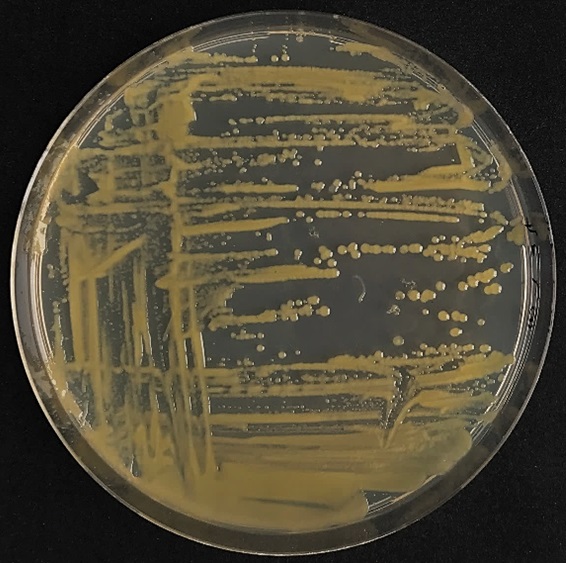
Symptoms
V-shaped yellow lesions on leaf margins with darkened veins, blackening of vascular system visible when stem is cut, heads on cauliflower / broccoli turn brown internally.
Plants affected
Easily confused with
- clubroot
How to tell them apart: Xanthomonas campestris pv. campestris (black rot) shows V-shaped yellow-to-brown lesions opening from the leaf margin inward, with the leaf veins inside and around the lesion turning black; cut the petiole or stem and the vascular ring is darkened. The plant may still stand reasonably upright, often with one-sided or patchy leaf damage. Plasmodiophora brassicae (clubroot) instead causes a whole-plant flag-wilt that recovers overnight and worsens in midday heat, with uniform dull-yellow leaves and stunting but NO marginal V-lesions and NO blackened veins. The decisive check is to pull the plant: clubroot roots carry swollen, spindle- or finger-shaped white-to-brown galls, whereas black-rot roots are normal. Clubroot is favoured by acidic, wet, warm soils.
- bacterial soft rot
How to tell them apart: Soft rot appears as a soft, water-soaked, mushy patch that rapidly enlarges and liquefies the tissue into a slimy, cream-to-brown wet mass — the head or stem base collapses and can be squeezed apart. The unmistakable sign is a strong, foul, putrid smell from the breakdown of the tissue, with no V-shaped pattern and no blackened veins; the rot is structureless and spreads in all directions. It thrives in wet, poorly ventilated, bruised or frost-damaged tissue and the surface often glistens with slimy bacterial exudate. Black rot shows distinctive V-shaped lesions that begin at the leaf margin and point inward toward the midrib, with the tissue inside the V turning yellow then brown and papery. The diagnostic sign is blackened veins: cut a petiole or stem and you see the vascular ring darkened brown to black, and leaf veins stand out as a black network within the chlorotic wedge. It spreads in warm, humid weather but the rotted tissue stays comparatively dry and does NOT produce a foul slimy ooze or strong smell. Lesions follow the veins rather than spreading as a structureless wet patch.
Treatment
Dr. Phyto builds a dated, step-by-step treatment plan with country-approved products — start a free diagnosis to get yours.
Common questions
- How do I recognise brassica black rot on cabbage / broccoli / cauliflower / Brussels sprouts?
- V-shaped yellow lesions on leaf margins with darkened veins, blackening of vascular system visible when stem is cut, heads on cauliflower / broccoli turn brown internally.
- Do I have to report brassica black rot?
- No. brassica black rot is not a notifiable organism, so there is nothing to report to an authority. Treat it as a normal garden problem.
- How is brassica black rot treated?
- Mainly with biological and cultural measures — removing affected material, changing the conditions that favour it, and treating with agents approved in your country. The exact steps and their timing depend on the plant, the season and where you live: Dr. Phyto works them out in a free diagnosis.
Free first diagnosis · no sign-up to start