Dr. Phyto
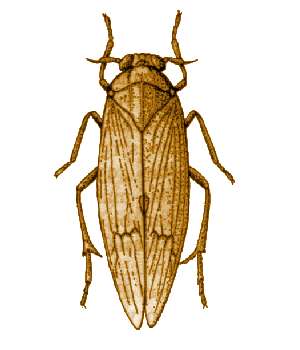
brown planthopper
Nilaparvata lugens
Plants affected
Easily confused with
- rice blast
How to tell them apart: Nilaparvata lugens (brown planthopper) and Magnaporthe oryzae (rice blast) both leave browning, collapsing patches of rice that read alike from the bund. Confirm planthopper by parting the canopy at the waterline: you will see clustered 3-4 mm brown wedge-shaped hoppers on the lower stems, sticky honeydew and black sooty mould, and roughly circular hopperburn patches where whole tillers wilt and dry from the base upward. Confirm blast instead by the panicle and leaves: a girdled grey-brown to blackish lesion at the neck node snaps the panicle over and bleaches it to a blank straw-white whitehead, while leaves carry spindle/eye-shaped lesions with grey dead centres and brown margins. Base swarming with insects plus honeydew means planthopper; clean stem base but rotted grey neck and eye-spot leaf lesions means blast.
Treatment
Dr. Phyto builds a dated, step-by-step treatment plan with country-approved products — start a free diagnosis to get yours.
Common questions
- Do I have to report brown planthopper?
- No. brown planthopper is not a notifiable organism, so there is nothing to report to an authority. Treat it as a normal garden problem.
- How is brown planthopper treated?
- Mainly with biological and cultural measures — removing affected material, changing the conditions that favour it, and treating with agents approved in your country. The exact steps and their timing depend on the plant, the season and where you live: Dr. Phyto works them out in a free diagnosis.
Free first diagnosis · no sign-up to start