Dr. Phyto
Fusarium leaf spot
Fusarium moniliforme
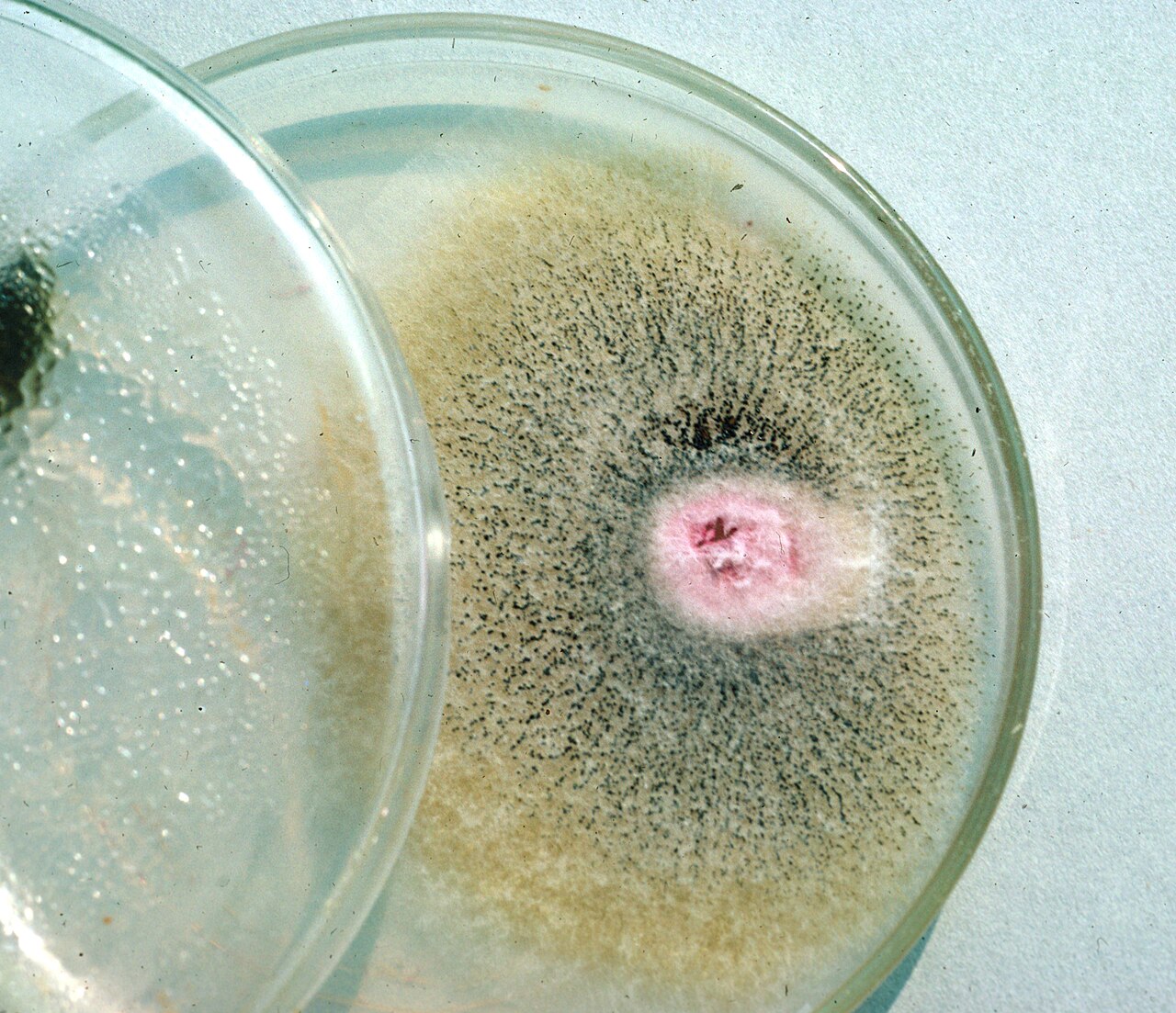
Symptoms
Sunken brown spots with reddish-brown borders on the leaves, often after cold or wet damage, spots may merge and cause leaf collapse.
Plants affected
Easily confused with
- cold damage
How to tell them apart: Cold (chilling) damage on Sansevieria trifasciata appears soon after a cold spell as diffuse, soft, water-soaked patches that turn pale tan to dark brown anywhere on the leaf — often broad, sunken and mushy at the leaf base or along the side that faced the cold window, with no defined margin and no fungal structures. Fusarium leaf spot (Fusarium moniliforme) instead starts as small reddish-brown sunken spots, mainly on young/new growth, that enlarge into oval lesions with a distinct reddish-tan margin and a yellow (chlorotic) halo, frequently appearing after overhead watering or in warm humid conditions. Key tells: cold damage is a one-off broad blotch tied to a cold event with no halo, while Fusarium spots are multiple, smaller, halo-ringed and spread/multiply over time in warmth and wetness.
Treatment
Dr. Phyto builds a dated, step-by-step treatment plan with country-approved products — start a free diagnosis to get yours.
Common questions
- How do I recognise Fusarium leaf spot on snake plant?
- Sunken brown spots with reddish-brown borders on the leaves, often after cold or wet damage, spots may merge and cause leaf collapse.
- Do I have to report Fusarium leaf spot?
- No. Fusarium leaf spot is not a notifiable organism, so there is nothing to report to an authority. Treat it as a normal garden problem.
- How is Fusarium leaf spot treated?
- Mainly with biological and cultural measures — removing affected material, changing the conditions that favour it, and treating with agents approved in your country. The exact steps and their timing depend on the plant, the season and where you live: Dr. Phyto works them out in a free diagnosis.
Free first diagnosis · no sign-up to start