Dr. Phyto
Scots pine resin canker / Scots pine blister rust
Cronartium flaccidum
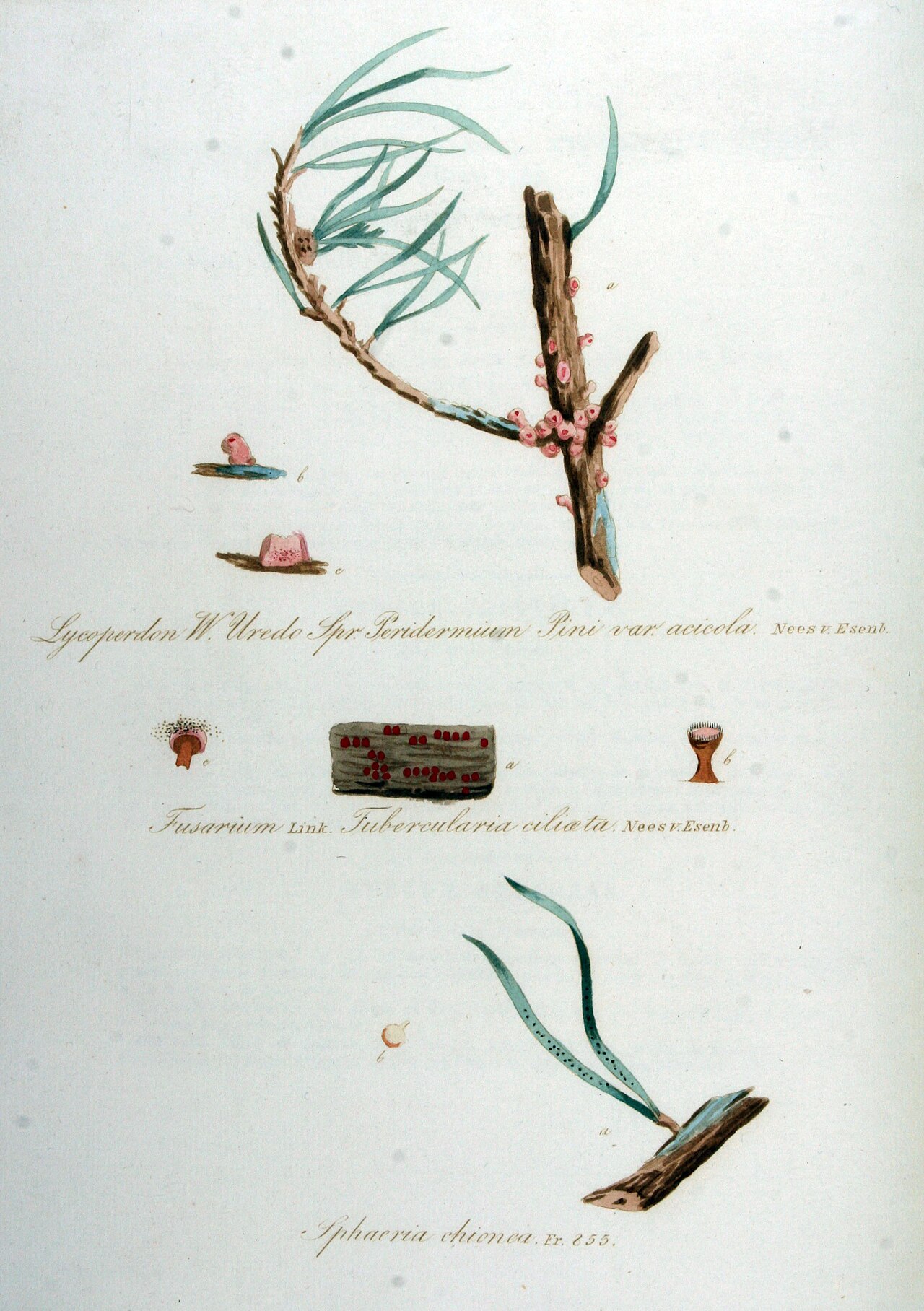
Symptoms
Yellow-orange aecial blisters bursting through pine bark in spring (the diagnostic primary symptom), copious resin flow from cankers, dead branches above cankers + crown dieback, severely infected young trees killed; mature trees survive but lose economic value as timber.
Plants affected
Treatment
Dr. Phyto builds a dated, step-by-step treatment plan with country-approved products — start a free diagnosis to get yours.
Common questions
- How do I recognise Scots pine resin canker / Scots pine blister rust on Scots pine?
- Yellow-orange aecial blisters bursting through pine bark in spring (the diagnostic primary symptom), copious resin flow from cankers, dead branches above cankers + crown dieback, severely infected young trees killed; mature trees survive but lose economic value as timber.
- Do I have to report Scots pine resin canker / Scots pine blister rust?
- No. Scots pine resin canker / Scots pine blister rust is not a notifiable organism, so there is nothing to report to an authority. Treat it as a normal garden problem.
- How is Scots pine resin canker / Scots pine blister rust treated?
- Mainly with biological and cultural measures — removing affected material, changing the conditions that favour it, and treating with agents approved in your country. The exact steps and their timing depend on the plant, the season and where you live: Dr. Phyto works them out in a free diagnosis.
Diagnose my plant
Free first diagnosis · no sign-up to start