Dr. Phyto
saissetia del caffè
Saissetia coffeae
Sintomi
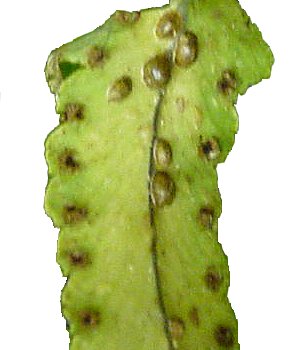
Cocciniglie a cupola, bruno scuro e lucide (3-4mm) su fusti + nervature fogliari, melata appiccicosa + fumaggine, declino graduale della pianta + caduta delle foglie, le cocciniglie compaiono in gruppi lungo i fusti + le nervature centrali delle foglie.
Piante colpite
Facilmente confuso con
- cocciniglia bruna
Come distinguerli: Coccus hesperidum (cocciniglia bruna molle) si presenta come protuberanze piatte, basse, ovali e dal corpo molle che aderiscono quasi appiattite alla foglia o al fusto, di colore giallo-bruno pallido o oliva e spesso screziate di macchie più scure; si raggruppano lungo la nervatura centrale e le venature sulla pagina inferiore delle foglie e producono abbondante melata appiccicosa. Saissetia coffeae (cocciniglia emisferica) è nettamente rilevata in una semisfera liscia, lucida, a cupola o a elmo, uniformemente castano scuro senza screziature, e gli scudetti più vecchi risultano duri e convessi come un minuscolo mezzo pisello. La prova visiva decisiva è il profilo: passandoci sopra un'unghia, la cocciniglia bruna molle è piatta e cedevole, mentre quella emisferica è una cupola dura e rotonda che sporge nettamente dalla superficie.
Trattamento
Dr. Phyto crea un piano di trattamento datato e passo-passo con prodotti approvati nel tuo paese — avvia una diagnosi gratuita per ottenere il tuo.
Domande frequenti
- Come riconosco saissetia del caffè su ficus della gomma?
- Cocciniglie a cupola, bruno scuro e lucide (3-4mm) su fusti + nervature fogliari, melata appiccicosa + fumaggine, declino graduale della pianta + caduta delle foglie, le cocciniglie compaiono in gruppi lungo i fusti + le nervature centrali delle foglie.
- Devo segnalare saissetia del caffè?
- No. saissetia del caffè non è soggetto a segnalazione, quindi non c'è nulla da comunicare a un'autorità. Trattalo come un normale problema del giardino.
- Come si tratta saissetia del caffè?
- Soprattutto con misure biologiche e colturali — rimuovere il materiale colpito, cambiare le condizioni che lo favoriscono e intervenire con prodotti autorizzati nel tuo Paese. I passaggi esatti e i tempi dipendono dalla pianta, dalla stagione e da dove vivi: Dr. Phyto li calcola in una diagnosi gratuita.
Prima diagnosi gratuita · nessuna registrazione