Dr. Phyto
Ωίδιο της ευωνύμου
Erysiphe euonymi
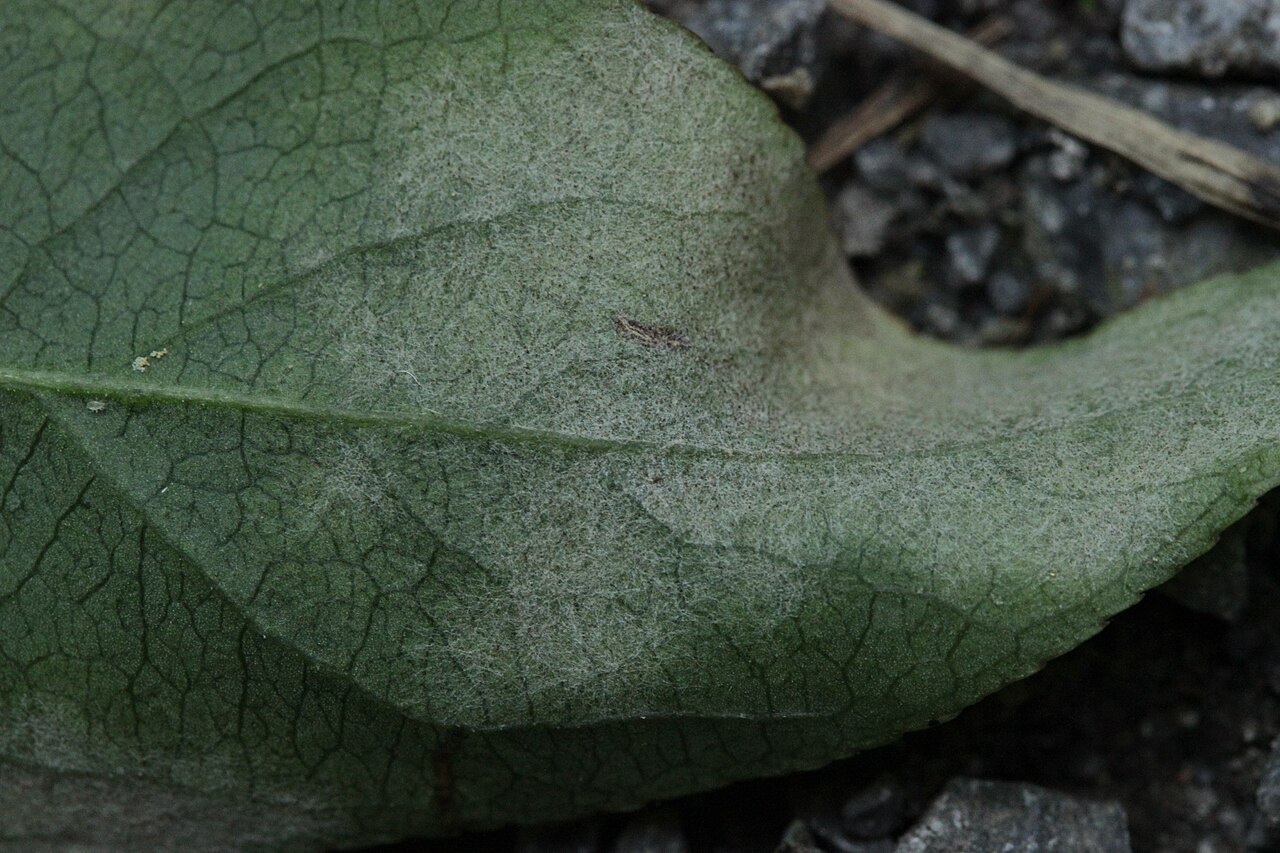
Συμπτώματα
Στα φύλλα της Euonymus japonicus αναπτύσσεται μια λευκή έως σταχτιά, αλευρώδης ή τσόχινη μυκητιακή επίστρωση, που συνήθως ξεκινά από την πάνω επιφάνεια και τους τρυφερούς νέους βλαστούς και στη συνέχεια καλύπτει ολόκληρα φύλλα και πράσινους βλαστούς. Η σκόνη σκουπίζεται με το δάχτυλο, κάτι που την ξεχωρίζει από σκόνη ή κοχυλιώδεις ψείρες. Τα σοβαρά προσβεβλημένα νεαρά φύλλα παραμορφώνονται, ζαρώνουν, κυρτώνονται ή σταματούν να αναπτύσσονται, ενίοτε με κιτρινωπές ή κοκκινωπές-μωβ κηλίδες, και μπορεί να πέφτουν πρόωρα. Σε αυτόν τον αειθαλή φράχτη η ασθένεια είναι πιο εμφανής στην τρυφερή ανοιξιάτικη και φθινοπωρινή βλάστηση, αφήνοντας τον θάμνο θαμπό, γκριζωπό και παραμορφωμένο.
Φυτά που προσβάλλονται
Αντιμετώπιση
Ο Dr. Phyto δημιουργεί ένα χρονολογημένο, βήμα-προς-βήμα σχέδιο αντιμετώπισης με εγκεκριμένα στη χώρα προϊόντα — ξεκινήστε μια δωρεάν διάγνωση.
Συχνές ερωτήσεις
- Πώς αναγνωρίζω Ωίδιο της ευωνύμου σε ευώνυμο (γιαπωνέζικο);
- Στα φύλλα της Euonymus japonicus αναπτύσσεται μια λευκή έως σταχτιά, αλευρώδης ή τσόχινη μυκητιακή επίστρωση, που συνήθως ξεκινά από την πάνω επιφάνεια και τους τρυφερούς νέους βλαστούς και στη συνέχεια καλύπτει ολόκληρα φύλλα και πράσινους βλαστούς. Η σκόνη σκουπίζεται με το δάχτυλο, κάτι που την ξεχωρίζει από σκόνη ή κοχυλιώδεις ψείρες.
- Πρέπει να δηλώσω Ωίδιο της ευωνύμου;
- Όχι. Το Ωίδιο της ευωνύμου δεν είναι δηλωτέο, οπότε δεν χρειάζεται να ενημερώσεις κάποια αρχή. Αντιμετώπισέ το σαν συνηθισμένο πρόβλημα κήπου.
- Πώς αντιμετωπίζεται το Ωίδιο της ευωνύμου;
- Κυρίως με βιολογικά και καλλιεργητικά μέτρα — απομάκρυνση του προσβεβλημένου υλικού, αλλαγή των συνθηκών που το ευνοούν και χρήση εγκεκριμένων στη χώρα σου σκευασμάτων. Τα ακριβή βήματα και ο χρόνος τους εξαρτώνται από το φυτό, την εποχή και τον τόπο: ο Dr. Phyto τα βρίσκει σε μια δωρεάν διάγνωση.
Πρώτη διάγνωση δωρεάν · χωρίς εγγραφή