Dr. Phyto
maladie de Pierce
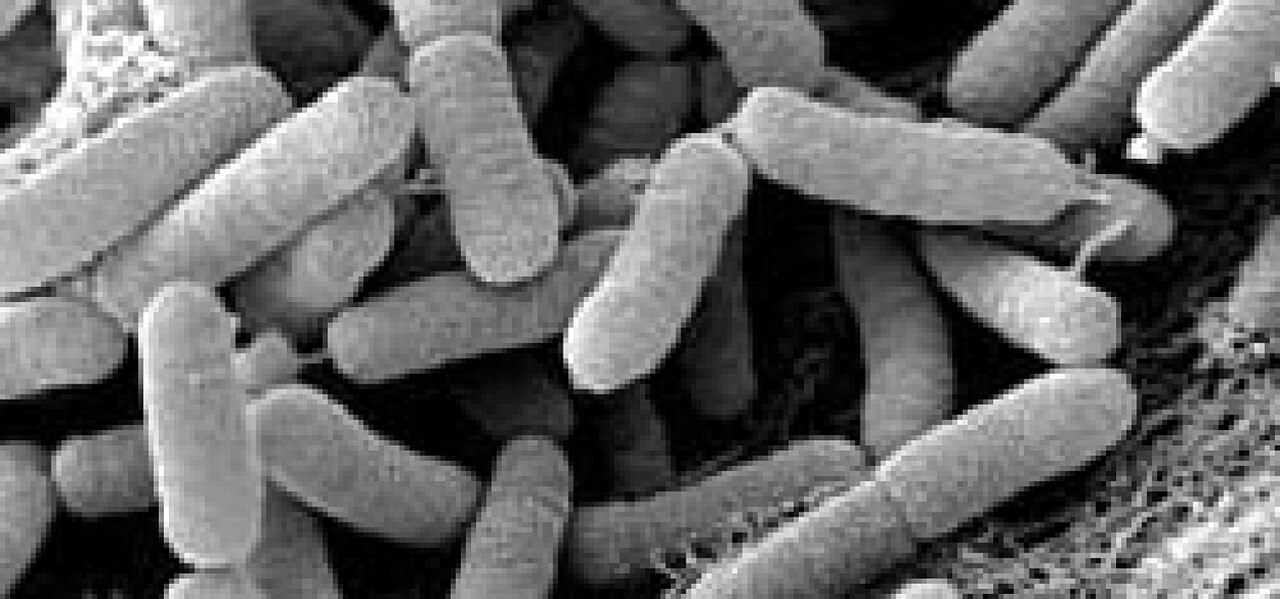
Xylella fastidiosa subsp. fastidiosa
⚠ Organisme de quarantaine à déclaration obligatoire dans l'UE
Symptômes
Marges foliaires brûlées avec une limite nette face au tissu vert, chute prématurée des feuilles alors que les pétioles restent attachés, maturation irrégulière des sarments (motif en allumette), dessèchement des baies sur le cep en passerillage.
Plantes touchées
Souvent confondu avec
- flavescence dorée
Comment les distinguer: Sur la vigne, les deux provoquent un rougissement/jaunissement des feuilles avec dépérissement et LES DEUX (BOTH) sont à notification obligatoire — la distinction oriente le protocole officiel à suivre, mais dans les deux cas contactez l'autorité phytosanitaire. Phytoplasme de la flavescence dorée (Candidatus Phytoplasma vitis) : enroulement des feuilles vers le bas, décoloration sectorielle triangulaire rouge (cépages rouges) ou jaune (cépages blancs), sarments non lignifiés et caoutchouteux et avortement des fleurs/grappes, transmis par cicadelle. Maladie de Pierce (Xylella fastidiosa subsp. fastidiosa) : brûlure marginale des feuilles avec des zones concentriques vert à brun, îlots verts irréguliers sur les sarments qui mûrissent de façon inégale, transmise par cicadelle sharpshooter.
- esca
Comment les distinguer: Xylella fastidiosa (maladie de Pierce) : le dessèchement débute au bord du limbe et progresse vers l'intérieur sous forme d'une bande vert terne à jaune, puis brunit en séchant, laissant souvent une étroite 'île verte' concentrique ou un halo chlorotique entre le tissu mort et le tissu sain. Les pétioles peuvent rester attachés après la chute du limbe ('allumettes'), les sarments mûrissent de façon irrégulière ('îlots verts' sur l'écorce), et le déclin touche le cep entier, progressif sur 1 à 3 saisons, plus grave dans les régions chaudes et près de l'activité des vecteurs. Il n'y a AUCUN motif de stries du bois dans la feuille elle-même ; les symptômes sont uniformes sur tout le feuillage du cep atteint. Phaeomoniella chlamydospora (complexe de l'esca) : les feuilles présentent le motif classique en 'rayures de tigre' — bandes internervaires jaunes (cépages blancs) ou rouges (cépages rouges) parallèles aux nervures, le tissu le long des nervures restant vert, séchant en stries nécrotiques ; un tronc coupé révèle des stries brun foncé/noires et une pourriture blanche molle centrale, et une 'apoplexie' estivale soudaine (effondrement de rameaux entiers) peut survenir. L'esca est liée au vieux bois/plaies de taille et au brunissement vasculaire du tronc, non au dessèchement du bord du limbe.
Traitement
Dr. Phyto établit un plan de traitement daté, étape par étape, avec des produits homologués dans votre pays — lancez un diagnostic gratuit pour obtenir le vôtre.
Questions fréquentes
- Comment reconnaître maladie de Pierce sur vigne ?
- Marges foliaires brûlées avec une limite nette face au tissu vert, chute prématurée des feuilles alors que les pétioles restent attachés, maturation irrégulière des sarments (motif en allumette), dessèchement des baies sur le cep en passerillage.
- Dois-je déclarer maladie de Pierce ?
- Oui. maladie de Pierce est un organisme de quarantaine réglementé dans l'UE. Une suspicion doit être signalée à l'organisation nationale de protection des végétaux, qui la confirmera et vous indiquera la suite.
- Comment traite-t-on maladie de Pierce ?
- Surtout par des mesures biologiques et culturales — retirer le matériel atteint, modifier les conditions qui le favorisent et intervenir avec des produits autorisés dans votre pays. Les étapes exactes et leur calendrier dépendent de la plante, de la saison et du lieu : Dr. Phyto les établit lors d'un diagnostic gratuit.
Premier diagnostic gratuit · sans inscription