Dr. Phyto
pine wood nematode
Bursaphelenchus xylophilus
⚠ EU-notifiable quarantine organism
Symptoms
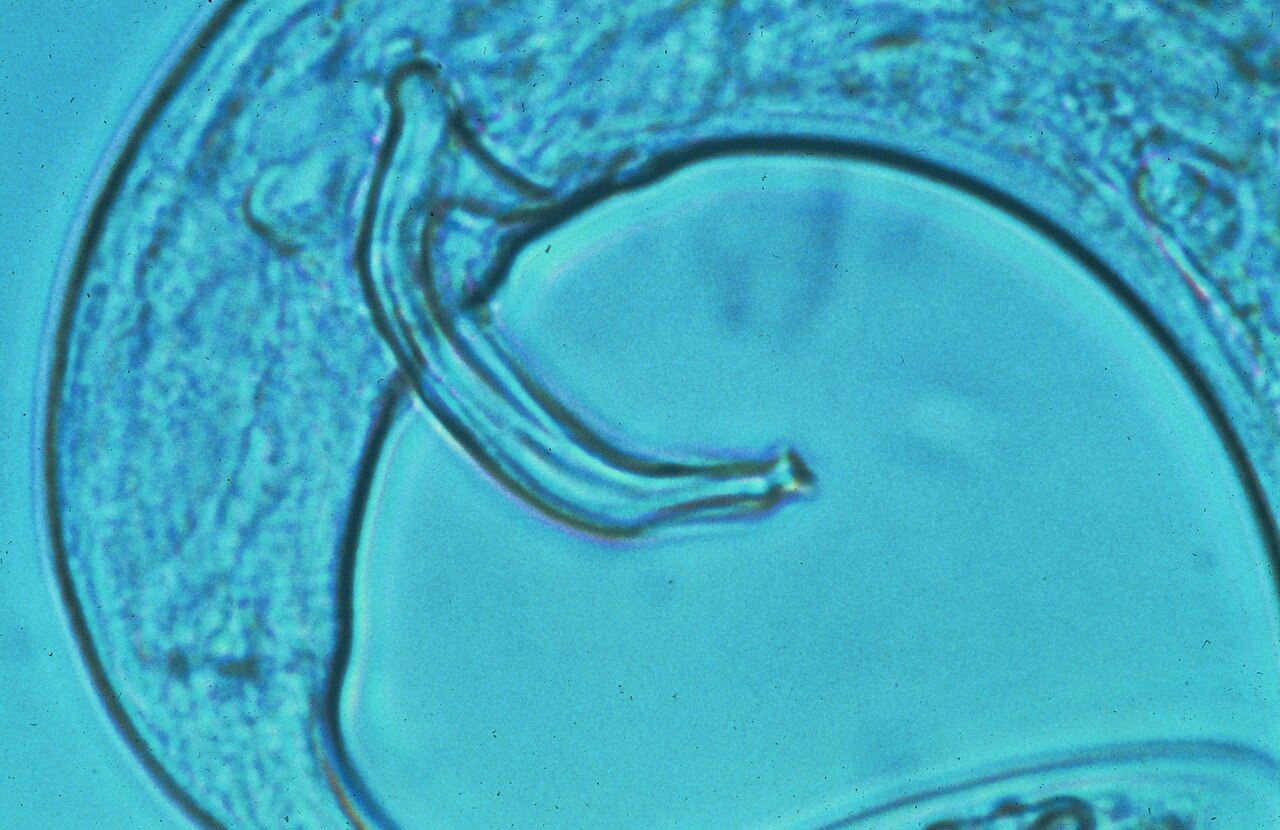
Sudden wilting + browning of entire pine within 2-6 months (the diagnostic rapid timeline), reduced + brown resin flow when bark cut, dead needles remain attached to branches initially (not normal), microscopic confirmation required from wood samples, vector beetles (Monochamus) found on dead trees.
Plants affected
Easily confused with
- pine needle cast
How to tell them apart: Bursaphelenchus xylophilus (pine wood nematode, causing pine wilt) kills the WHOLE tree fast: in summer the entire crown turns greyish-green then reddish-brown, needles wilt and stay attached for months, and resin flow from the trunk drops to almost nothing — look for blue-stain fungus in the cut wood and adult longhorn (Monochamus) beetle exit holes. Lophodermium seditiosum (needle cast) is a needle-only disease: scattered older needles develop yellow then reddish-brown spots and bands, drop prematurely in spring, and the dead needles carry tiny shiny BLACK football-shaped fruiting bodies (hysterothecia) with a thin dark transverse slit — a sign never seen with the nematode. Pine wilt collapses a tree in weeks; needle cast thins the crown gradually over seasons.
- Diplodia tip blight of pine
How to tell them apart: Bursaphelenchus xylophilus (pine wood nematode / pine wilt) kills the whole crown fast: needles on the entire tree fade green to grey-green, then yellow, then a uniform reddish-brown within weeks, yet stay firmly attached on a tree that often shows NO resin flow from the trunk and rapid sapwood drying. Diplodia sapinea (Diplodia tip blight) instead browns the NEW current-year shoots and needle bases first, usually starting in the lower crown and on the candles; affected shoots are stunted and curled with abundant resin droplets, and you find tiny black pinhead fruiting bodies (pycnidia) at the needle base, on cones, and on dead bark. Pine wilt has no pycnidia and progresses far faster across the entire canopy than the patchy, shoot-by-shoot pattern of Diplodia.
Treatment
Dr. Phyto builds a dated, step-by-step treatment plan with country-approved products — start a free diagnosis to get yours.
Common questions
- How do I recognise pine wood nematode on Scots pine?
- Sudden wilting + browning of entire pine within 2-6 months (the diagnostic rapid timeline), reduced + brown resin flow when bark cut, dead needles remain attached to branches initially (not normal), microscopic confirmation required from wood samples, vector beetles (Monochamus) found on dead trees.
- Do I have to report pine wood nematode?
- Yes. pine wood nematode is a regulated quarantine organism in the EU. A suspected finding must be reported to your national plant protection organisation — they will confirm it and tell you what to do next.
- How is pine wood nematode treated?
- Mainly with biological and cultural measures — removing affected material, changing the conditions that favour it, and treating with agents approved in your country. The exact steps and their timing depend on the plant, the season and where you live: Dr. Phyto works them out in a free diagnosis.
Free first diagnosis · no sign-up to start