Dr. Phyto
alternariosi delle crucifere
Alternaria brassicae
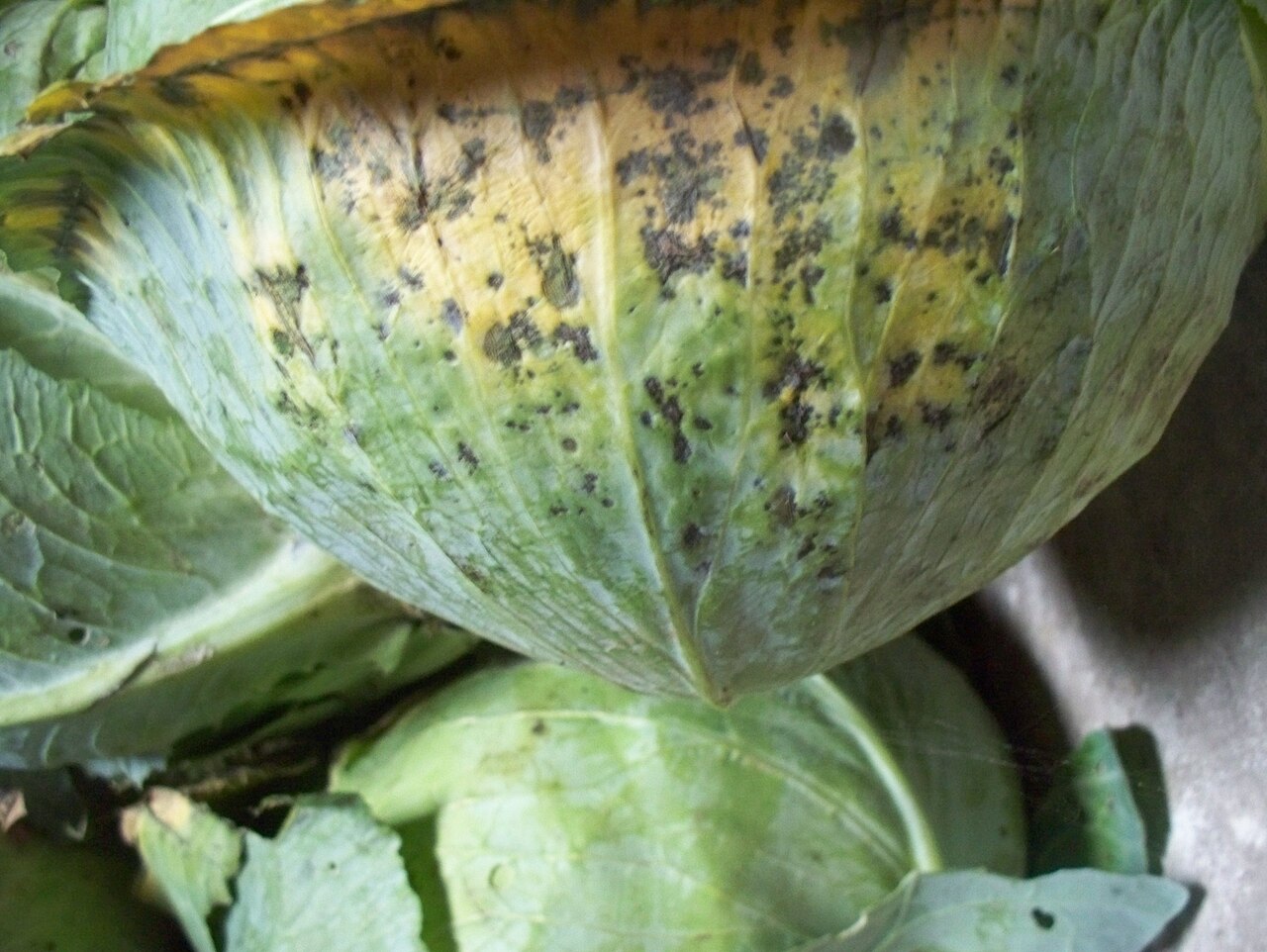
Sintomi
Macchie fogliari angolari bruno-scure con anelli concentrici (motivo a bersaglio), le macchie in seguito confluiscono e le foglie cadono, lesioni scure su fusto e silique a fine stagione.
Piante colpite
Facilmente confuso con
- cancro del colletto
Come distinguerli: Leptosphaeria maculans (maculatura da phoma/cancro del colletto e del fusto) mostra macchie fogliari secche, irregolari, di colore grigio-beige pallido, da pochi millimetri a un paio di centimetri, costellate di minuscoli puntini nerissimi (picnidi) sparsi sulla superficie — questa puntinatura è il segno decisivo. Le macchie hanno un bordo sfumato senza anelli concentrici, e il fungo in seguito scende lungo il picciolo causando un cancro depresso alla base del fusto. Alternaria brassicae (maculatura scura) produce invece macchie tondeggianti più scure, dal bruno al grigio antracite, con netti anelli concentrici a bersaglio, spesso circondate da un alone giallo; il centro può diventare cartaceo e staccarsi lasciando un foro. Per la phoma cercate i puntini neri dei picnidi e il cancro alla base del fusto, per l'Alternaria gli anelli a bersaglio e l'alone giallo.
Trattamento
Dr. Phyto crea un piano di trattamento datato e passo-passo con prodotti approvati nel tuo paese — avvia una diagnosi gratuita per ottenere il tuo.
Domande frequenti
- Come riconosco alternariosi delle crucifere su colza?
- Macchie fogliari angolari bruno-scure con anelli concentrici (motivo a bersaglio), le macchie in seguito confluiscono e le foglie cadono, lesioni scure su fusto e silique a fine stagione.
- Devo segnalare alternariosi delle crucifere?
- No. alternariosi delle crucifere non è soggetto a segnalazione, quindi non c'è nulla da comunicare a un'autorità. Trattalo come un normale problema del giardino.
- Come si tratta alternariosi delle crucifere?
- Soprattutto con misure biologiche e colturali — rimuovere il materiale colpito, cambiare le condizioni che lo favoriscono e intervenire con prodotti autorizzati nel tuo Paese. I passaggi esatti e i tempi dipendono dalla pianta, dalla stagione e da dove vivi: Dr. Phyto li calcola in una diagnosi gratuita.
Prima diagnosi gratuita · nessuna registrazione